
Case Study: Transforming Urban Spaces into Green Havens in Dubai
MA
Introduction to Urban Transformation
In recent years, Dubai has become a leader in transforming urban landscapes into lush, green spaces. This remarkable shift not only enhances the aesthetic appeal of the city but also contributes to environmental sustainability. By integrating nature into urban planning, Dubai is setting a global example for other metropolitan areas.
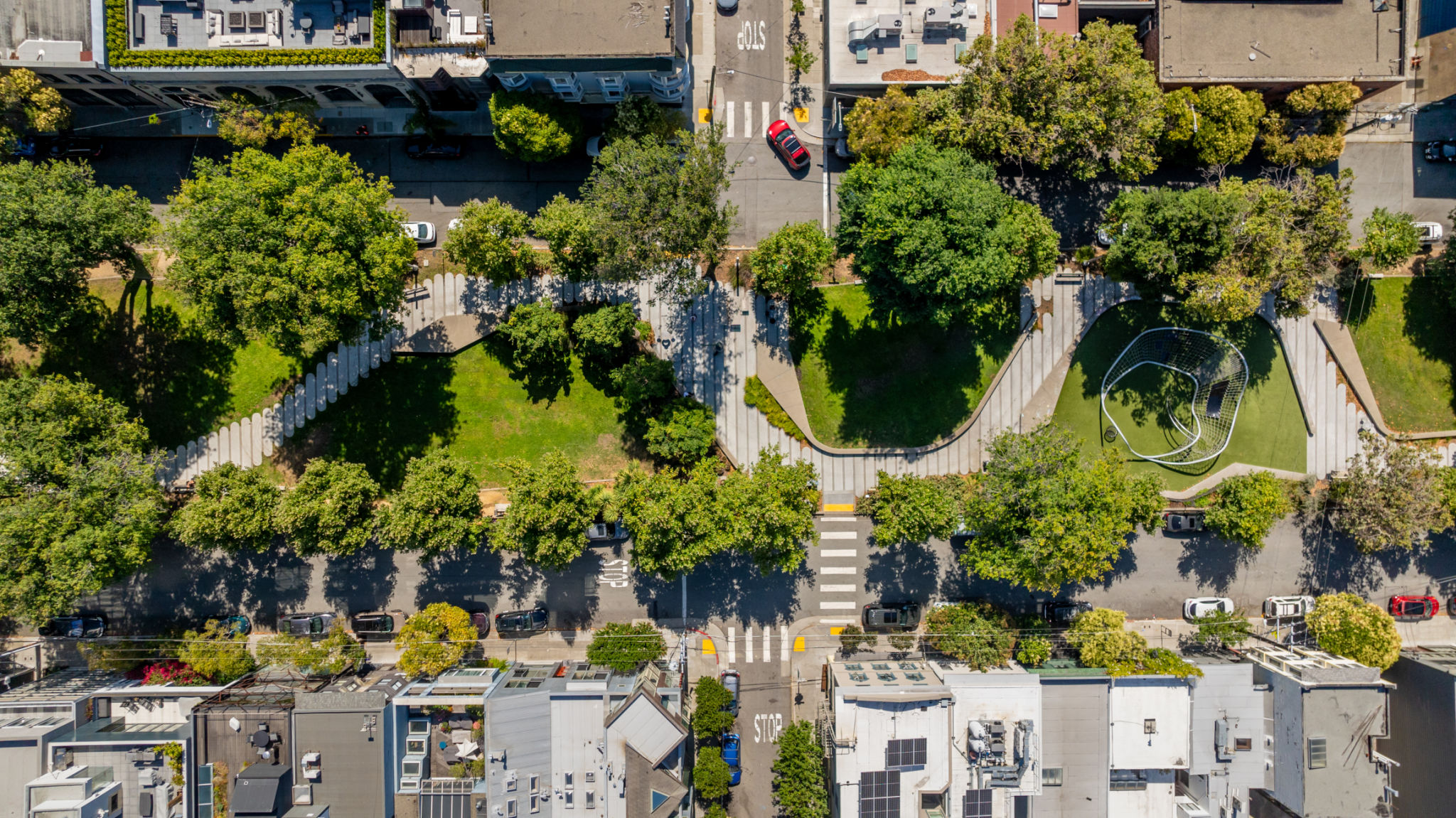
The journey towards greener urban spaces in Dubai is a testament to the city's commitment to innovation and sustainability. With a vision to create a harmonious balance between urban life and nature, authorities have implemented several initiatives to transform concrete jungles into verdant havens.
The Need for Green Spaces
As cities continue to grow, the need for green spaces has become more pressing. Green areas offer numerous benefits, including improving air quality, reducing heat, and providing recreational spaces for residents. In a city like Dubai, where temperatures can soar, creating shaded, cool environments is essential for enhancing the quality of life.
Urban green spaces also play a vital role in promoting biodiversity. By introducing native plants and creating habitats for local wildlife, these spaces contribute to ecological balance and sustainability.

Key Initiatives and Projects
Dubai has launched several key projects to transform its urban landscape. These initiatives include the development of community parks, vertical gardens, and the integration of green roofs in architectural designs. One notable project is the Dubai Green Wall, which aims to cover buildings with vertical gardens, enhancing both beauty and insulation.
- Community Parks: Designed to offer leisure and recreational activities.
- Vertical Gardens: Innovative solutions to maximize green space in high-density areas.
- Green Roofs: Utilized to reduce urban heat and promote energy efficiency.

The Role of Technology
Technology plays a crucial role in the transformation of Dubai's urban spaces. Smart irrigation systems, for example, ensure efficient water usage, while advanced planning tools help in designing sustainable landscapes. These technologies enable the city to maintain its green areas despite the arid climate.
Community Involvement
The success of these green initiatives also hinges on community involvement. Residents are encouraged to participate in urban gardening projects and sustainability workshops, fostering a sense of ownership and pride in their environment.
Educational programs in schools further emphasize the importance of green spaces, inspiring the next generation to continue the city's legacy of environmental stewardship.

Challenges and Future Prospects
While Dubai has made significant strides in transforming its urban spaces, challenges remain. Water scarcity and maintaining green areas in a desert climate require innovative solutions and ongoing commitment. However, with continued investment and collaboration, Dubai is well-positioned to overcome these challenges.
Looking forward, the city's vision includes expanding its network of green spaces and further integrating nature into urban planning. This commitment not only enhances the quality of life for residents but also positions Dubai as a pioneer in sustainable urban development.