
Case Study: Successful Greenovation Projects in Dubai
MA
Introduction to Greenovation
Dubai, a city known for its futuristic skyline and luxurious lifestyle, is also emerging as a leader in sustainable development through innovative green projects. The city has embraced "greenovation"—a blend of green innovation—to address environmental challenges while continuing its rapid growth.
In this post, we explore some of the most successful greenovation projects in Dubai, showcasing how the city is setting benchmarks for sustainable urban development.
The Visionary Approach of Masdar City
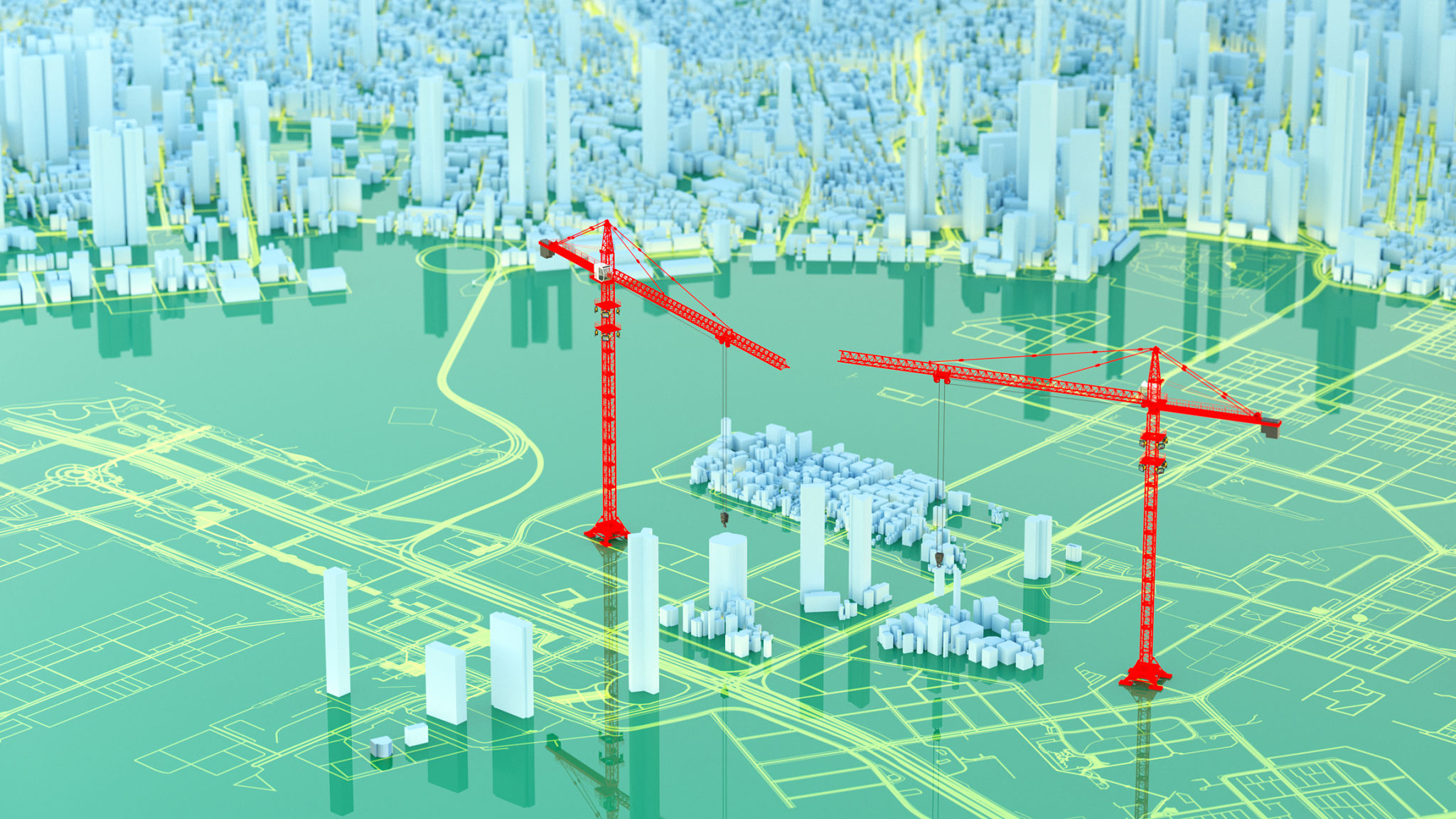
Masdar City is a pioneering project that exemplifies Dubai's commitment to sustainability. Located near the Abu Dhabi airport, this eco-city is designed to be one of the most sustainable urban communities in the world.
The city employs renewable energy sources such as solar and wind power, aiming to reduce its carbon footprint significantly. Its smart infrastructure and innovative urban planning are attracting global attention.
Key Features of Masdar City
- Zero-carbon and zero-waste urban community
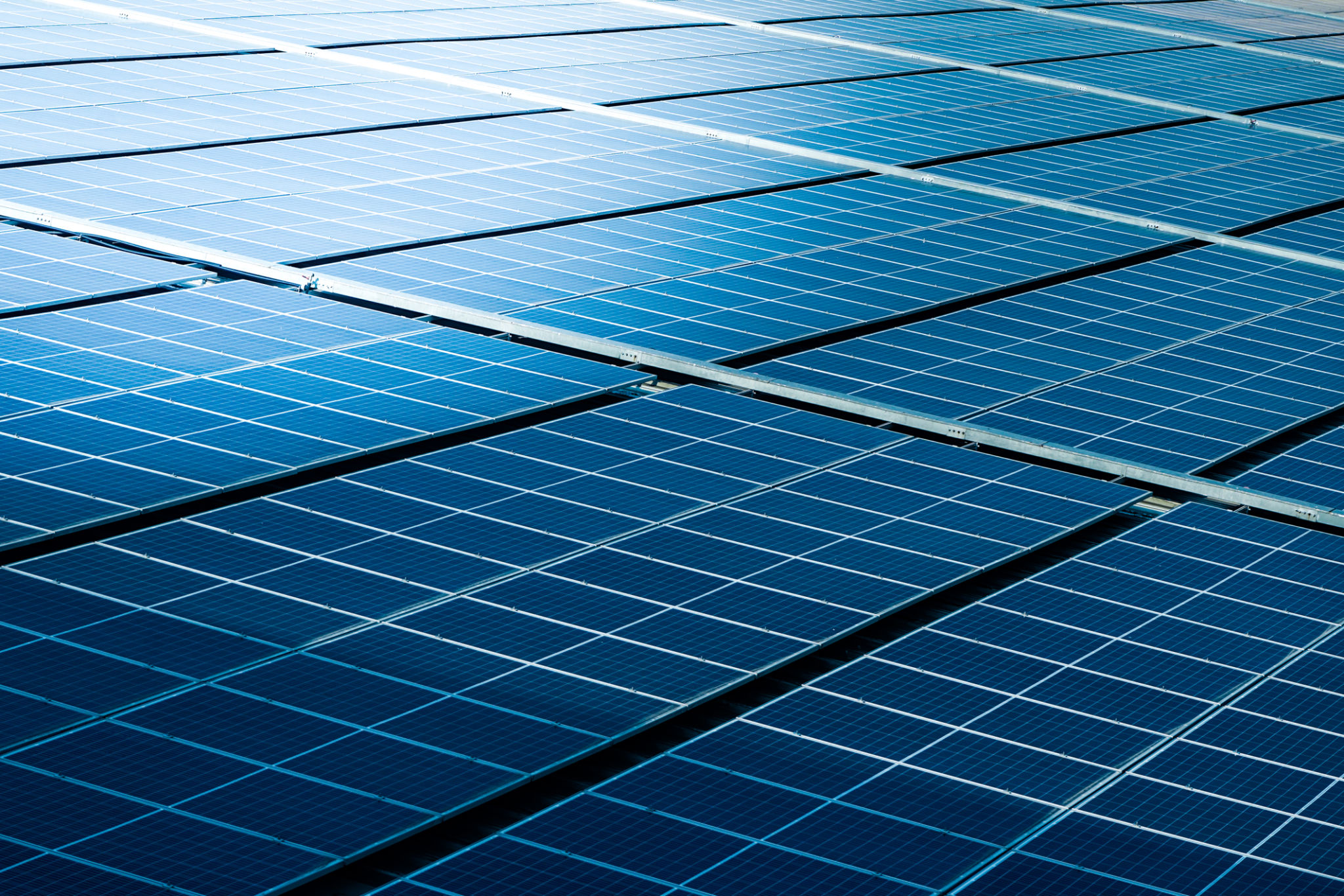
- Extensive use of solar energy
- Efficient public transport systems
Sustainable Architecture: The Dubai Sustainable City
The Dubai Sustainable City stands as a testament to what can be achieved when sustainability is placed at the forefront of urban planning. This community is designed to meet the highest environmental standards and provide a high quality of life for its residents.
With a focus on reducing energy consumption, the city incorporates energy-efficient homes and uses recycled materials in construction. Its infrastructure is designed to promote a healthy lifestyle while minimizing environmental impact.
Notable Achievements
- 100% water and waste recycling
- Use of electric transport within the community
- Community farms promoting local agriculture

Retrofitting Existing Buildings: The Case of Emirates Towers
Retrofitting existing structures is a crucial part of Dubai's greenovation strategy. The Emirates Towers, an iconic part of Dubai's skyline, underwent a significant retrofit to enhance energy efficiency and reduce carbon emissions.
This project involved upgrading HVAC systems, installing energy-efficient lighting, and implementing water-saving technologies. The retrofit has significantly reduced energy consumption and operational costs.
Impact and Benefits
The Emirates Towers retrofit project serves as a model for other buildings in Dubai and beyond. The initiative demonstrates how existing infrastructure can be transformed to meet modern sustainability standards while preserving architectural heritage.

Conclusion: A Green Future for Dubai
Dubai's successful greenovation projects are proving that sustainability and growth can go hand in hand. The city's efforts in promoting green architecture, renewable energy, and sustainable urban planning are setting new standards globally.
As other cities look to Dubai for inspiration, the focus on greenovation will undoubtedly play a vital role in shaping the urban landscapes of the future, ensuring a healthier planet for generations to come.